
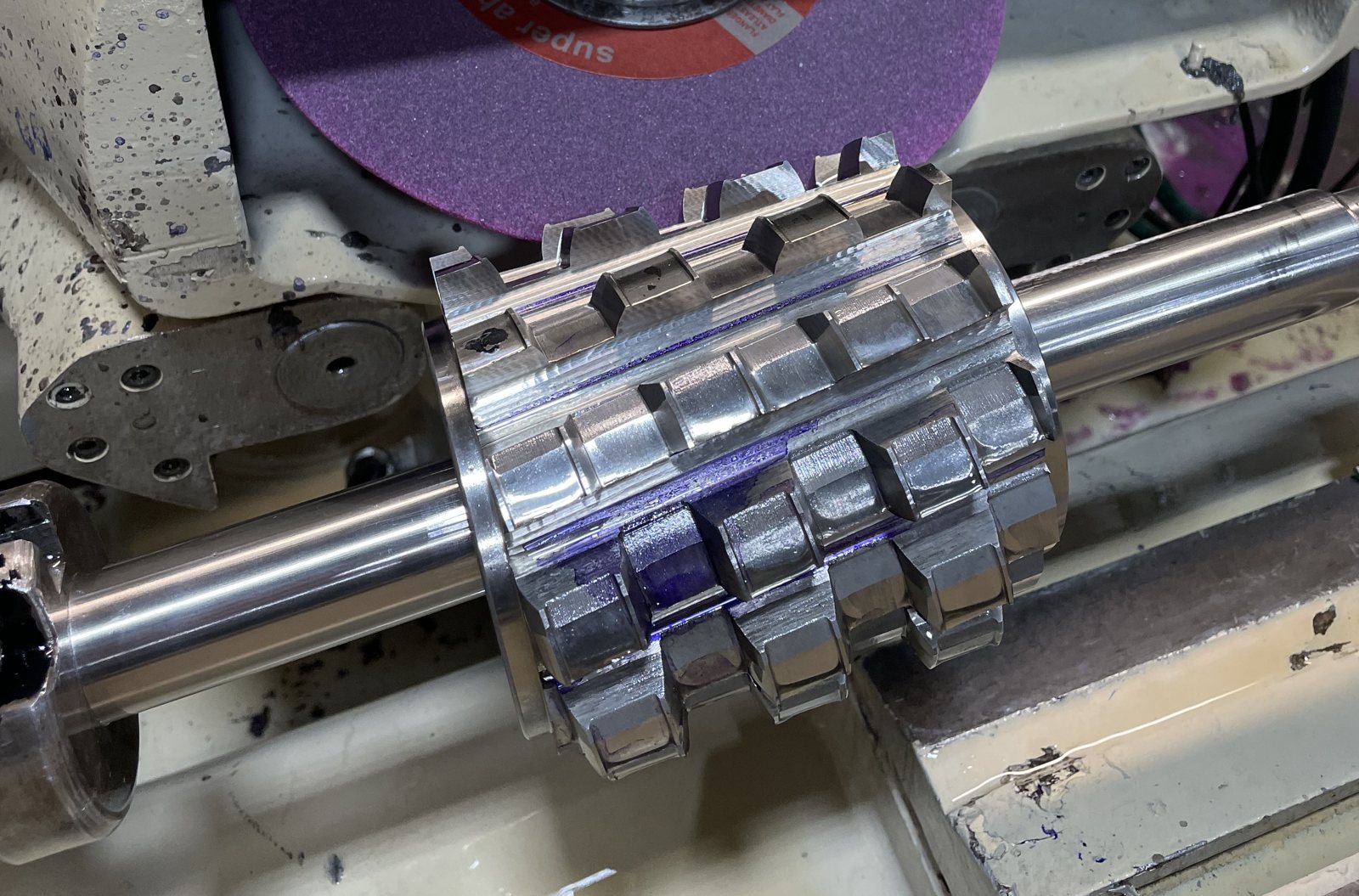
Resharpen or Replace? The Cost-per-Gear Math for Hobs, Shaper Cutters and Broaches
A quality hob or shaper cutter is bought once and reground many times. Where the money is made or lost is in how many of those regrinds you actually get, and whether each one returns the tool to its original performance. This article walks through the arithmetic and the judgment calls.
The number that matters
Compare tools on cost per gear produced, not purchase price:
(tool price + regrind cost × regrinds + recoat cost × recoats) ÷ (pieces per edge × (regrinds + 1))
Three things move that number far more than the purchase price does:
- Pieces per edge. Set by tool steel, coating, geometry and how the tool is run.
- Number of regrinds. An HSS hob can typically be resharpened 8 to 12 times; a disc-type shaper cutter has the most usable face of any cutter type; a broach is sharpened on the tooth face and has a published minimum.
- Whether the regrind preserves geometry. A regrind that burns the edge or changes the rake angle can cost more in scrap than it saved.
Why recoating is not optional
Grinding removes the coating from the ground faces. A resharpened but uncoated tool runs on bare steel at the new edge, without the wear resistance, heat resistance and lubricity the coating was chosen for, and it wears noticeably faster than it did when new. Recoating with the same or a better-matched coating (TiN · TiCN · TiAlN · AlCrN (Alcrona) · Altensa) restores the original pieces per edge. For any tool that was coated when new, budget resharpen plus recoat as one operation.
When to resharpen
- Cutting forces or spindle load have risen on a stable part.
- Surface finish on the flank has degraded, or burrs have appeared at the tip.
- Flank wear land on the hob or cutter teeth is visible but even, with no chipping.
- The part is still in tolerance but trending toward a limit.
Pull the tool early. A small, even wear land grinds away with minimal material removal and leaves more regrinds in the tool. Waiting until the edge is chipped means grinding deeper to remove the damage, which spends regrind life you cannot get back.
When to replace
- Minimum length reached. Shaper cutters and broaches have a published minimum axial length or tooth height; below it the geometry is no longer correct.
- Chipping or cracking of the substrate that would require removing a large amount of material.
- Wrong tool for the current job. If the part, material or volume has changed, a regrind of the old specification still gives you the old performance. This is the moment to move to a PM-HSS grade or a different coating.
- Repeated profile error after a correct regrind, which usually means runout or damage in the tool body rather than the edge.
A worked example
A class A hob in M2 with TiN costs X. A PM-HSS (ASP 2052) hob with Altensa costs about 2.5X. On a case-hardening steel gear run dry, the PM-HSS hob typically runs about three times the pieces per edge and tolerates the same number of regrinds. Over ten regrinds it produces about three times the gears for 2.5 times the tool price and the same regrind and recoat spend, so its tool cost per gear is lower before the saved tool changes and downtime are counted. The numbers vary by part, which is why we run them with you rather than quoting a rule.
What CTI-USA does
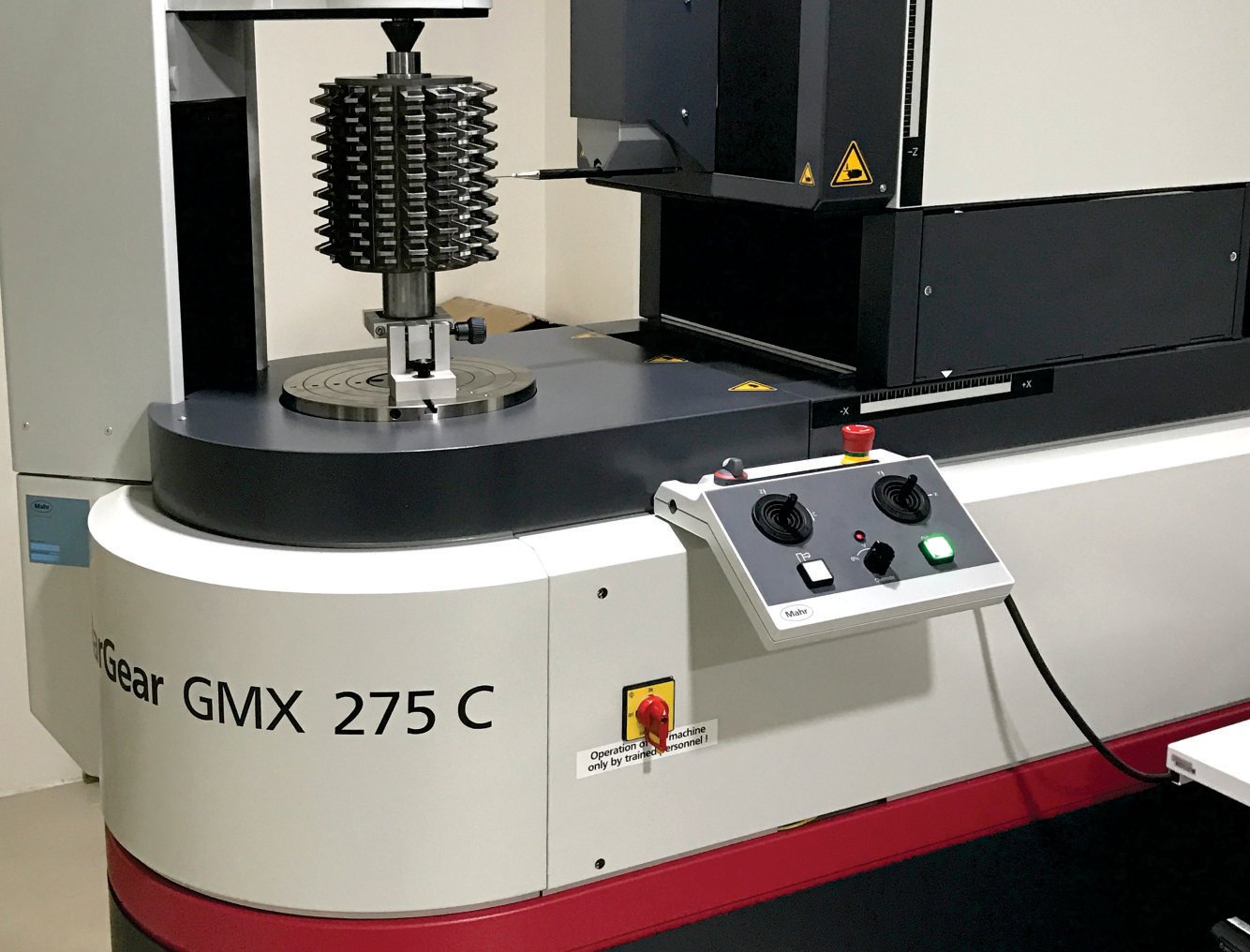
We resharpen and recoat hobs, shaper cutters and broaches, including tools we did not supply. Resharpening preserves relief, rake, spacing and lead; material removal is kept to the minimum; grinding heat is controlled; and every tool is inspected before and after. Recoating is matched to your workpiece and cutting conditions. When a tool has reached the end of its life, we will tell you, and recommend the grade and coating for its replacement.
Have tools due for service? Email sales@cti-usa.co with the tool type, quantity and current coating, or use the request form.
Richard Potesta is the founder of CTI-USA, the North American sales, engineering and support partner of Capital Tool Industries and distributor for Eifco machines. Questions about an application? Contact CTI-USA or call 330-962-8160.
Need the tool this article describes?
Send us the print. We will specify the cutter or hob, recommend the tool steel and coating, and quote it.